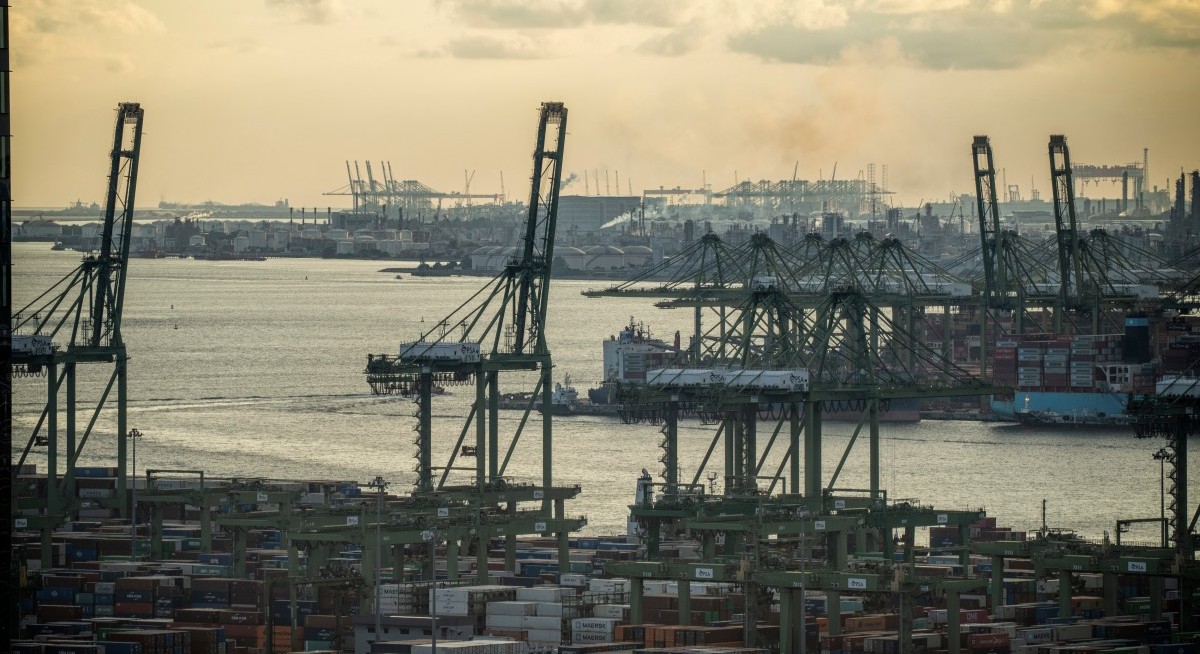
Japanese and Singaporean exports saw declines in August, mainly due to weaker demand from the US
Japanese and Singaporean exports both suffered notable declines in August 2025, underscoring the pressure that global trade headwinds and subdued US demand are placing on export-driven economies. Japanese exports to the United States plummeted by 13.8% year-on-year—the fifth straight monthly drop—primarily due to continued weakness in the auto sector despite a recent reduction in US auto tariffs from 27.5% to 15%, which remains substantially higher than earlier rates. While Japan’s overall exports remained nearly flat thanks to rising shipments to Europe and the Middle East, the sharp dip in US-bound goods exposes vulnerabilities to tariff policy and shifting global supply chains.Singapore, meanwhile, reported an 11.3% year-on-year fall in non-oil domestic exports, with a dramatic 28.8% plunge in shipments to the US, reflecting the serious toll of elevated tariffs and weaker overseas demand.
Japanese and Singaporean exports recorded significant declines, spotlighting the impact of global trade headwinds and weakening demand from the US. Japan’s exports to the US fell sharply by 13.8% year-on-year—the fifth consecutive monthly drop—primarily due to weak shipments of automobiles, auto parts, and semiconductors. This contraction followed the imposition of heavy US tariffs: although auto tariffs were recently reduced from 27.5% to 15%, they remain well above the original 2.5%, keeping pressure on Japan’s most crucial export sector. To offset higher costs, Japanese manufacturers have resorted to lowering prices, but this in turn has risked eroding their US market share and illustrated the wider challenge faced by Japanese exporters, despite modest overall export stability thanks to increased shipments to Europe and the Middle East.
Singapore’s export picture was similarly grim, with non-oil domestic exports (NODX) plunging 11.3% year-on-year in August—far weaker than analysts’ expectations and extending July’s 4.7%
decline. The drop was driven by steep reductions in both electronic and non-electronic shipments, with exports to the US collapsing by 28.8% amid a 10% tariff rate imposed by Washington.
Key product categories affected included specialized machinery, food preparations, and disk media products, many of which saw declines of over 50%. The sharp fall in Singapore’s US-bound
shipments extended a 42.8% tumble in July, illustrating the sustained toll of tariff barriers and softer US demand. Exports to China also shrank 21.5% in August, underscoring the widespread
effects of slowing global growth and supply chain disruptions.
Both countries’ export data reflect the wider global trade slowdown caused by ongoing tariff measures, supply chain disruptions, and weaker demand in key markets. Policymakers in Japan and
Singapore have warned that the outlook may remain challenging, with possible further declines if trade tensions persist or intensify in the latter part of 2025.
TFormer U.S. President Donald Trump has called on European allies, particularly those in the European Union and NATO, to impose a complete
halt on their purchases of Russian oil as part of a broader strategy to intensify economic pressure on Russia amid its ongoing war in Ukraine.
Trump criticized the current sanctions and trade measures adopted by the EU as being too lenient and ineffective in cutting off the financial
resources fueling Russia’s military operations. According to Trump, the existing EU measures fall short of the strong stance required to compel
Russia to cease its aggression, and the continued import of Russian crude by European nations undermines the unity and effectiveness of Western sanctions.
Trump has also indicated his willingness to escalate U.S. sanctions on Russia further but insists that Europe needs to match this level of toughness
for the collective effort to succeed. He has suggested imposing steep tariffs on countries like China that continue to buy discounted Russian oil, aiming to
disrupt trade links that indirectly support Russia’s war economy. This position highlights the intensifying geopolitical conflicts tied to global
energy supplies and the ongoing tug-of-war over economic influence between major world powers.
The former president's remarks come at a time when Western countries are grappling with balancing energy security, economic costs, and political unity in the face of Russia’s war tactics and resilience. The U.S. hopes to isolate Russia economically by choking off key revenue streams from its oil exports, which account for a significant part of its budget. However, some European allies remain dependent on Russian energy supplies, creating divisions over how aggressively to implement sanctions. Trump’s call for stronger, more comprehensive sanctions and a unified allied front reflects a hardline approach that contrasts with more cautious strategies favored by some European leaders. It underscores the complex challenges of leveraging economic instruments in geopolitical conflicts, where sanctions must be carefully calibrated to maximize pressure on adversaries while minimizing harm to allies and global markets. In summary, Trump’s appeal to European allies to stop buying Russian oil and toughen sanctions signals a push for more decisive, coordinated international actions to financially isolate Russia and expedite an end to the war in Ukraine, while also confronting broader geopolitical maneuvering involving China and global energy trade.