Trade Turmoil Deepens: Brazil Retaliates Against US Tariffs, Sweden Urges EU to Suspend Trade
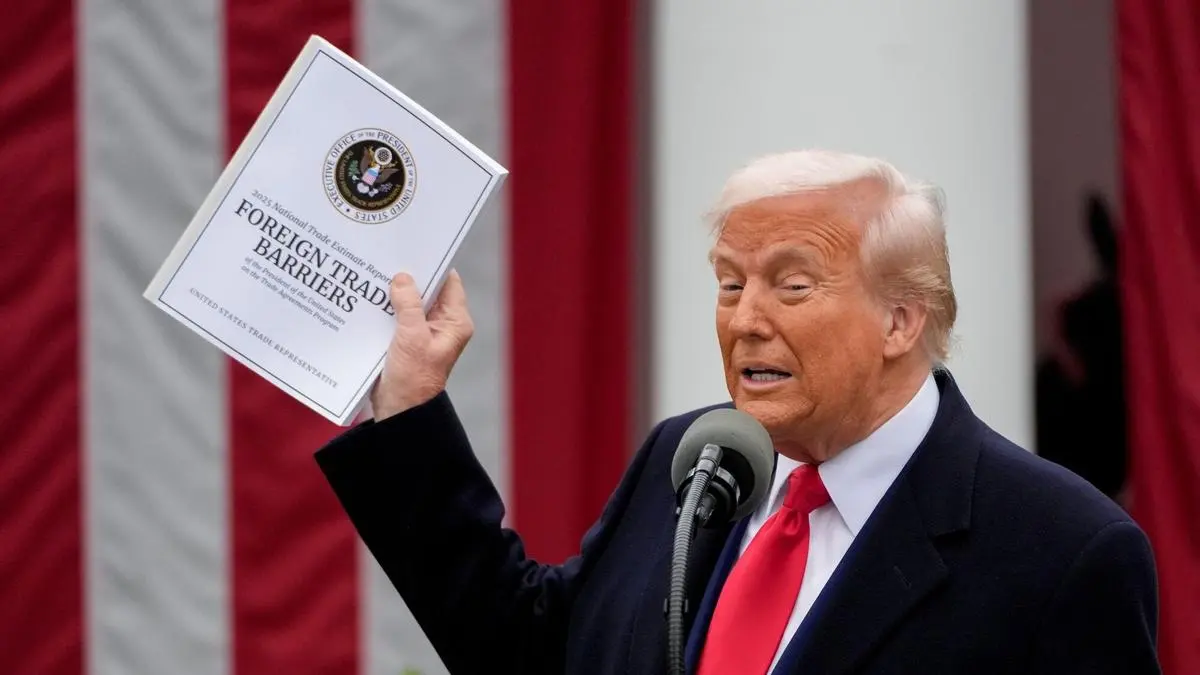
Political and trade tensions continue to escalate globally as Brazil vows retaliatory measures against steep U.S. tariffs imposed amid disputes over trade practices and political issues, signaling growing friction in bilateral relations. Meanwhile, Sweden has called on the European Union to suspend its trade agreement with Israel, condemning ongoing humanitarian concerns and violations related to the conflict in Gaza, urging the bloc to take decisive action. In a related development, the United States plans to move into a "phase two" of sanctions on Russia, intensifying economic pressure in response to Moscow's continued aggression in Ukraine. These interconnected events highlight rising geopolitical complexities impacting international trade, diplomatic relations, and global economic stability.
In Latin America, Brazil has formally vowed retaliatory actions in response to recent U.S. tariffs targeting Brazilian exports. The United States imposed heightened
tariffs amid ongoing disagreements related to trade practices and environmental policies, which Brazil views as unjustified and harmful to its economy. In a measured
yet firm response, Brazilian authorities have initiated formal processes to assess and implement countermeasures against U.S. goods, signaling a potential escalation
in trade disputes between the two nations. This tit-for-tat tariff conflict risks disrupting supply chains and impacting sectors such as agriculture and manufactured
goods, crucial to both economies.
In Europe, Sweden has taken a strong stance by calling on the European Union to suspend its existing trade agreement with Israel. This appeal comes amid worsening
humanitarian conditions in the Gaza Strip and concerns over alleged violations of international law by Israel. Sweden, joined by other EU members, argues that continuing
normal trade relations without conditionality undermines the EU’s commitment to human rights and international humanitarian standards. The call for suspension reflects
deep divisions within the EU regarding its approach to the Middle East conflict and raises questions about balancing economic interests with ethical responsibilities.
Concurrently, the United States is preparing to enter a “phase two” of sanctions against Russia, intensifying economic pressure in retaliation for Moscow’s ongoing military
aggression in Ukraine. The forthcoming phase involves more stringent financial and trade restrictions designed to further isolate Russia’s economy and restrict its access to
international markets and technology. This escalation signals the U.S. administration’s commitment to maintaining a hardline stance against Russian actions, despite potential
geopolitical and economic repercussions. The expanded sanctions aim to curtail Russia’s war capabilities and encourage diplomatic resolutions but also carry risks of retaliation
and broader market volatility.
Collectively, these developments illustrate a complex web of geopolitical and economic challenges. Trade tensions between the U.S. and Brazil underscore the fragility of global
trade architectures amid nationalist pressures. Europe’s divided response to Israel’s actions highlights enduring conflicts between economic pragmatism and human rights advocacy.
Meanwhile, the U.S.–Russia conflict and the expansion of sanctions emphasize ongoing struggles to address security threats through economic means. These intertwined issues are shaping
a volatile global environment with significant consequences for international cooperation, trade flows, and peace efforts worldwide.
In Latin America, Brazil has formally vowed retaliatory actions in response to recent U.S. tariffs targeting Brazilian exports. The United States imposed heightened
tariffs amid ongoing disagreements related to trade practices and environmental policies, which Brazil views as unjustified and harmful to its economy. In a measured
yet firm response, Brazilian authorities have initiated formal processes to assess and implement countermeasures against U.S. goods, signaling a potential escalation
in trade disputes between the two nations. This tit-for-tat tariff conflict risks disrupting supply chains and impacting sectors such as agriculture and manufactured
goods, crucial to both economies.
In Europe, Sweden has taken a strong stance by calling on the European Union to suspend its existing trade agreement with Israel. This appeal comes amid worsening
humanitarian conditions in the Gaza Strip and concerns over alleged violations of international law by Israel. Sweden, joined by other EU members, argues that continuing
normal trade relations without conditionality undermines the EU’s commitment to human rights and international humanitarian standards. The call for suspension reflects
deep divisions within the EU regarding its approach to the Middle East conflict and raises questions about balancing economic interests with ethical responsibilities.
Concurrently, the United States is preparing to enter a “phase two” of sanctions against Russia, intensifying economic pressure in retaliation for Moscow’s ongoing military
aggression in Ukraine. The forthcoming phase involves more stringent financial and trade restrictions designed to further isolate Russia’s economy and restrict its access to
international markets and technology. This escalation signals the U.S. administration’s commitment to maintaining a hardline stance against Russian actions, despite potential
geopolitical and economic repercussions. The expanded sanctions aim to curtail Russia’s war capabilities and encourage diplomatic resolutions but also carry risks of retaliation
and broader market volatility.
Collectively, these developments illustrate a complex web of geopolitical and economic challenges. Trade tensions between the U.S. and Brazil underscore the fragility of global
trade architectures amid nationalist pressures. Europe’s divided response to Israel’s actions highlights enduring conflicts between economic pragmatism and human rights advocacy.
Meanwhile, the U.S.–Russia conflict and the expansion of sanctions emphasize ongoing struggles to address security threats through economic means. These intertwined issues are shaping
a volatile global environment with significant consequences for international cooperation, trade flows, and peace efforts worldwide.