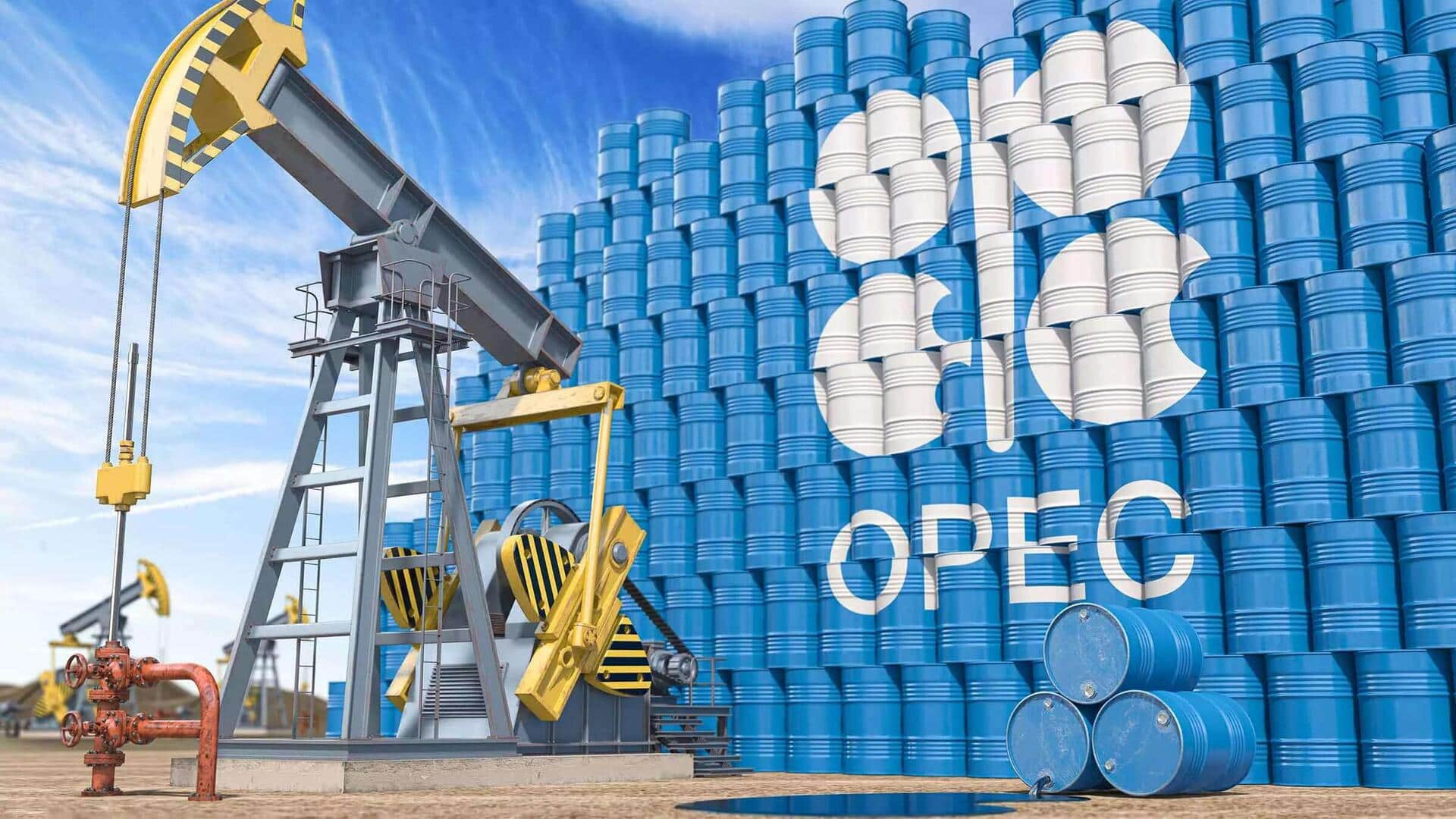
OPEC+ Agrees to Further Boost Oil Production by 137,000 Barrels
OPEC+ has agreed to further raise oil production starting in October 2025, adding an additional 137,000 barrels per day as part of a cautious strategy to regain market share amidst concerns about global supply disruptions and geopolitical tensions involving the US, Iran, and Israel. This increase represents a partial unwinding of earlier production cuts and reflects the alliance’s focus on securing its dominance in the global oil market despite ongoing uncertainties about demand and pricing pressures. The decision comes as oil prices face downward pressure from rising supply outside OPEC+ and ongoing geopolitical risks, signaling a renewed effort by members to strengthen their market position while navigating complex international dynamics.
OPEC+ recently announced a decision to further increase oil production starting from October 2025, in an effort to regain its share of the
global oil market and respond to evolving supply and geopolitical conditions. The group, which includes the Organization of Petroleum
Exporting Countries (OPEC) and allied non-OPEC producers led by Russia, agreed to add an additional 137,000 barrels per day to the market.
This production hike is part of an accelerated plan to gradually lift the earlier production cuts totaling approximately 1.65 million barrels
per day initially set to last until late 2026.
The decision to increase supply comes amid growing concerns about potential disruptions caused by geopolitical tensions, particularly involving
the United States, Iran, and Israel. These conflicts have raised anxieties over the stability of oil supplies, influencing prices and global
energy security. Despite these risks, OPEC+ appears confident in its capacity to meet rising demand while positioning itself competitively
against other oil producers.
Moreover, OPEC+ members face mounting pressure from rising non-OPEC supply as countries like the US and Brazil continue expanding their output.
The cautious increase aims to prevent loss of market share to these competitors and maintain influence over price levels. However, given capacity
constraints among some member countries, actual increases in production may be limited initially, with the alliance signaling a measured approach.
The coming months are expected to test global oil markets, as OPEC+ balances supply increases with ongoing demand uncertainty and geopolitical risks.
The alliance’s moves will likely have significant implications for oil prices, energy investments, and broader economic conditions worldwide.
OPEC+ recently announced a decision to further increase oil production starting from October 2025, in an effort to regain its share of the
global oil market and respond to evolving supply and geopolitical conditions. The group, which includes the Organization of Petroleum
Exporting Countries (OPEC) and allied non-OPEC producers led by Russia, agreed to add an additional 137,000 barrels per day to the market.
This production hike is part of an accelerated plan to gradually lift the earlier production cuts totaling approximately 1.65 million barrels
per day initially set to last until late 2026.
The decision to increase supply comes amid growing concerns about potential disruptions caused by geopolitical tensions, particularly involving
the United States, Iran, and Israel. These conflicts have raised anxieties over the stability of oil supplies, influencing prices and global
energy security. Despite these risks, OPEC+ appears confident in its capacity to meet rising demand while positioning itself competitively
against other oil producers.
Moreover, OPEC+ members face mounting pressure from rising non-OPEC supply as countries like the US and Brazil continue expanding their output.
The cautious increase aims to prevent loss of market share to these competitors and maintain influence over price levels. However, given capacity
constraints among some member countries, actual increases in production may be limited initially, with the alliance signaling a measured approach.
The coming months are expected to test global oil markets, as OPEC+ balances supply increases with ongoing demand uncertainty and geopolitical risks.
The alliance’s moves will likely have significant implications for oil prices, energy investments, and broader economic conditions worldwide.