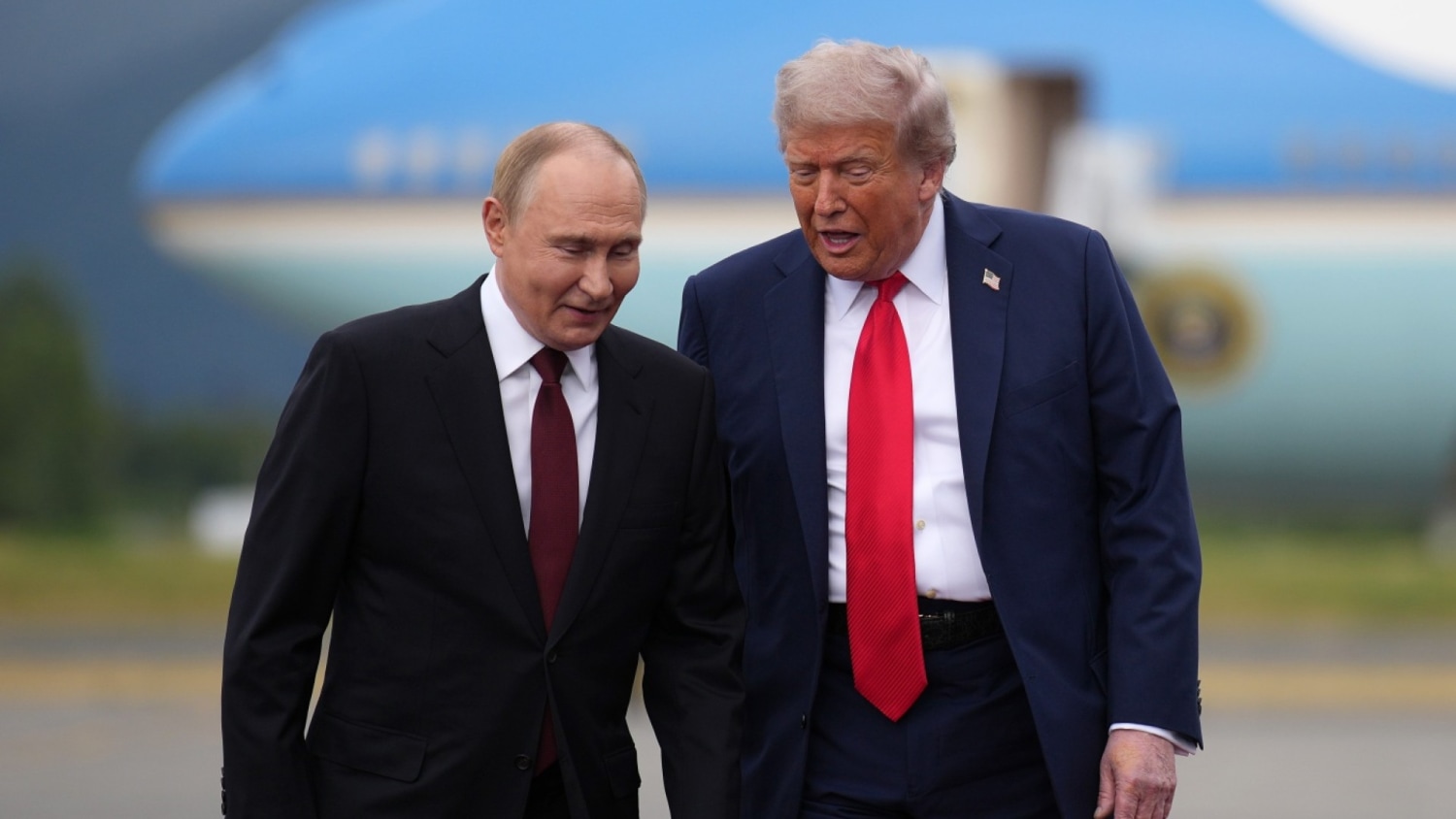
Trump Urges European Allies to Stop Buying Russian Oil
U.S. President Donald Trump has urged European allies to halt their purchases of Russian oil and to strengthen sanctions against Russia, criticizing the current measures implemented by the European Union as insufficiently tough. Trump expressed his readiness to impose more sanctions on Russia but emphasized that Europe must match the level of U.S. pressure to effectively cut off funding to Moscow’s war effort in Ukraine. He highlighted that continued purchases of Russian oil by some European countries weaken their negotiating position and prolong the conflict. Trump also proposed imposing steep tariffs on China to curb its economic support of Russia, aligning with his broader strategy to pressure countries involved in buying Russian crude.
Former U.S. President Donald Trump has called on European allies, particularly those in the European Union and NATO, to impose a complete
halt on their purchases of Russian oil as part of a broader strategy to intensify economic pressure on Russia amid its ongoing war in Ukraine.
Trump criticized the current sanctions and trade measures adopted by the EU as being too lenient and ineffective in cutting off the financial
resources fueling Russia’s military operations. According to Trump, the existing EU measures fall short of the strong stance required to compel
Russia to cease its aggression, and the continued import of Russian crude by European nations undermines the unity and effectiveness of Western sanctions.
Trump has also indicated his willingness to escalate U.S. sanctions on Russia further but insists that Europe needs to match this level of toughness
for the collective effort to succeed. He has suggested imposing steep tariffs on countries like China that continue to buy discounted Russian oil, aiming to
disrupt trade links that indirectly support Russia’s war economy. This position highlights the intensifying geopolitical conflicts tied to global
energy supplies and the ongoing tug-of-war over economic influence between major world powers.
The former president's remarks come at a time when Western countries are grappling with balancing energy security, economic costs, and political unity in the face of Russia’s war tactics and resilience. The U.S. hopes to isolate Russia economically by choking off key revenue streams from its oil exports, which account for a significant part of its budget. However, some European allies remain dependent on Russian energy supplies, creating divisions over how aggressively to implement sanctions. Trump’s call for stronger, more comprehensive sanctions and a unified allied front reflects a hardline approach that contrasts with more cautious strategies favored by some European leaders. It underscores the complex challenges of leveraging economic instruments in geopolitical conflicts, where sanctions must be carefully calibrated to maximize pressure on adversaries while minimizing harm to allies and global markets. In summary, Trump’s appeal to European allies to stop buying Russian oil and toughen sanctions signals a push for more decisive, coordinated international actions to financially isolate Russia and expedite an end to the war in Ukraine, while also confronting broader geopolitical maneuvering involving China and global energy trade.
TFormer U.S. President Donald Trump has called on European allies, particularly those in the European Union and NATO, to impose a complete
halt on their purchases of Russian oil as part of a broader strategy to intensify economic pressure on Russia amid its ongoing war in Ukraine.
Trump criticized the current sanctions and trade measures adopted by the EU as being too lenient and ineffective in cutting off the financial
resources fueling Russia’s military operations. According to Trump, the existing EU measures fall short of the strong stance required to compel
Russia to cease its aggression, and the continued import of Russian crude by European nations undermines the unity and effectiveness of Western sanctions.
Trump has also indicated his willingness to escalate U.S. sanctions on Russia further but insists that Europe needs to match this level of toughness
for the collective effort to succeed. He has suggested imposing steep tariffs on countries like China that continue to buy discounted Russian oil, aiming to
disrupt trade links that indirectly support Russia’s war economy. This position highlights the intensifying geopolitical conflicts tied to global
energy supplies and the ongoing tug-of-war over economic influence between major world powers.
The former president's remarks come at a time when Western countries are grappling with balancing energy security, economic costs, and political unity in the face of Russia’s war tactics and resilience. The U.S. hopes to isolate Russia economically by choking off key revenue streams from its oil exports, which account for a significant part of its budget. However, some European allies remain dependent on Russian energy supplies, creating divisions over how aggressively to implement sanctions. Trump’s call for stronger, more comprehensive sanctions and a unified allied front reflects a hardline approach that contrasts with more cautious strategies favored by some European leaders. It underscores the complex challenges of leveraging economic instruments in geopolitical conflicts, where sanctions must be carefully calibrated to maximize pressure on adversaries while minimizing harm to allies and global markets. In summary, Trump’s appeal to European allies to stop buying Russian oil and toughen sanctions signals a push for more decisive, coordinated international actions to financially isolate Russia and expedite an end to the war in Ukraine, while also confronting broader geopolitical maneuvering involving China and global energy trade.